



Adventure Guides
Family Escape Room Guide: Age Ratings, Team Size and Clue Systems
September 26, 2026
The first family escape room is always a small gamble. You picture an hour of clever puzzles and shared triumph; your ten-year-old pictures a dark corridor and a locked door they cannot open. The gap between those two visions usually comes down to three things: the room you pick, the size of your team, and how the venue handles hints. Get those right and you have one of the best-value hours of family entertainment going. Get them wrong and you spend fifty minutes watching a child quietly disengage.
What Makes a Room Family-Friendly
Plenty of escape rooms are built for adults, and there is nothing wrong with that. Family-friendly venues tend to share a recognisable set of features. Lighting is bright enough to read by. The theme leans towards adventure rather than horror: pirates, detectives, wizards, space stations, museums with something odd in the basement. Puzzles reward observation and logic rather than steady hands and speed, and nobody jumps out at you.
One detail worth checking is whether the door is genuinely locked. At most reputable venues it is not. You can open it from the inside whenever you like, and staff will tell you so during the briefing. That single fact reassures nervous children more than anything else you can say.
Five questions worth asking before you book
- What is the youngest age you recommend for this room, and is that a recommendation or a rule?
- Will there be an actor or staff member in the room with us?
- Are there sudden loud noises, jump scares or periods of complete darkness?
- Can we step out partway through if someone needs a break?
- Do you charge per person or per team, and what is the maximum team size?
Age Guidance: What the Numbers Actually Mean
There is no single national rating scheme for escape rooms in the UK. Each venue sets its own guidance, usually a minimum age plus a note about adult supervision. You will see patterns such as "8 and over, adult must play", "10+" or "under 16s must be accompanied".
Treat that number as a floor, not a guarantee of suitability. Two rooms can both be marked 10+ and feel completely different. One is gentle and generous with hints; the other is tight on time and heavy on fiddly mechanical locks. The figure tells you what the venue considers manageable. It does not tell you whether your particular child will enjoy it.
Watch for the difference between the age to play and the age to play unsupervised. Some venues welcome younger children as long as an adult is on the team; others require an adult in the room for anyone under 16. If you are booking for a group of teenagers, ask specifically.
Reading the description properly
Words like "intense", "psychological", "mature themes" or "immersive horror" tell you the room is pitched at adults. Phrases like "family favourite", "great for birthday parties" or "school groups welcome" tell you the opposite. If the listing is vague, ask whether the venue has photos or a video walkthrough. One image of the room will tell you more about the lighting and tone than a paragraph of marketing copy.
Team Size: Fewer Adults, More Jobs
Most rooms take between two and eight players, and family rooms often work best at four to six. Too few people and everyone is sprinting. Too many and somebody gets squeezed out of the action, usually the youngest.
A useful rule of thumb: for every child under ten, bring one adult who is willing to be that child's partner rather than the puzzle-solving engine of the team. Two adults and three children often works better than four adults and one child, because the child ends up with real tasks instead of a spectator's seat.
If your ages are spread widely, ask whether the room is linear, where you solve one puzzle at a time, or open, where several puzzles run in parallel. Open rooms suit mixed-ability families far better, because you can park a younger child on a colour-matching task while the faster players work elsewhere.
Clue Systems: How Help Arrives
Every venue handles hints differently, and knowing the system in advance changes how you play. The common ones are:
- Live contact: a walkie-talkie, telephone or intercom linking you to a games master who can see and hear you.
- Screen hints: messages that appear on a monitor or tablet inside the room.
- Automatic nudges: hints that arrive on their own after a set period, whether you asked or not.
- Hint cards: physical cards you collect, each revealing a little more than the last.
- Penalty systems: some venues add time or deduct points, others hand out hints freely.
Agree a rule before the clock starts. Five minutes stuck on the same puzzle is a sensible trigger, and children should be allowed to call it, not just adults. Tell them plainly that asking for help is part of the game rather than a failure. Plenty of teams never reach the final puzzle, and that is a normal outcome. Going home with three unsolved riddles and a story about the bit with the magnets is still a good afternoon.
Giving Younger Players a Real Role
Children stay engaged when they have a job. Before you go in, hand out roles. One person keeps the notebook and writes down every number and letter the team finds. One holds the keys and loose items. One works the torch. One watches the clock. Rotate at the halfway point so nobody is stuck as the scribe.
Then get down to their height. Kneeling on the floor beside an eight-year-old reveals a different room: marks under tables, patterns at skirting-board level, a compartment at knee height that no adult has noticed. Children are often excellent at spotting and less good at deducing, so pair them accordingly.
Finally, agree an exit signal. If a child wants to stop, they should be able to say so without feeling they have ruined it for everyone. Venues expect this, and most will happily let someone wait in the corridor with a staff member.
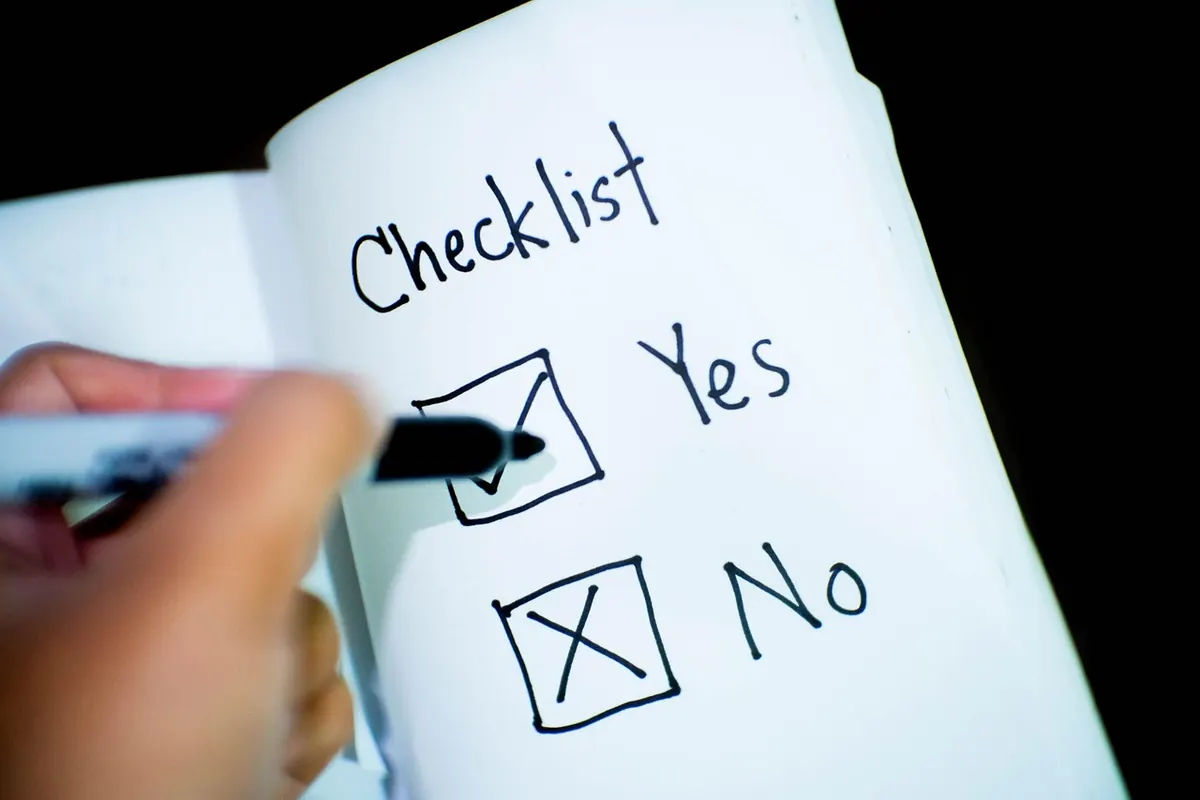
A Practical Checklist Before You Go
- Ring or email the venue and ask your age, scare and supervision questions. Get the answers before you pay.
- Confirm team size, arrival time and whether payment is per person or per team.
- Sort the practicalities: comfortable shoes, glasses rather than contact lenses if your eyes dry out, a toilet stop beforehand, and no bulky coats.
- Arrive ten to fifteen minutes early. Being rushed at the start is the quickest way to lose the first five minutes of the game.
- Agree your hint rule and your roles in the car park, before the briefing begins.
- Let the children turn the keys and press the buttons. It matters more than who worked out the answer.
Book a room slightly easier than you think your family needs. A completed game with a few hints beats an elegant failure every time, and it leaves everyone asking when you can do the next one.
Photo: jonasjovaisis / Pixabay
Related posts
More stories you’ll love reading