


Travel
First-Timer's Guide to Abbey Evensong: Etiquette, Timing, and What to Expect
October 01, 2026
Evensong is the reason many people walk into a cathedral for the first time — not for a tour, not for a Sunday Eucharist, but for a weekday afternoon when the light drops and forty minutes of sung prayer begins. It is also the service where newcomers worry most about getting something wrong. The reassuring truth: nobody is marking you, there is no test, and nearly every small mistake is fixable with a quiet shuffle and an apologetic nod. What follows is what actually happens, and how to be comfortable while it does.
What Evensong Is, and What It Isn't
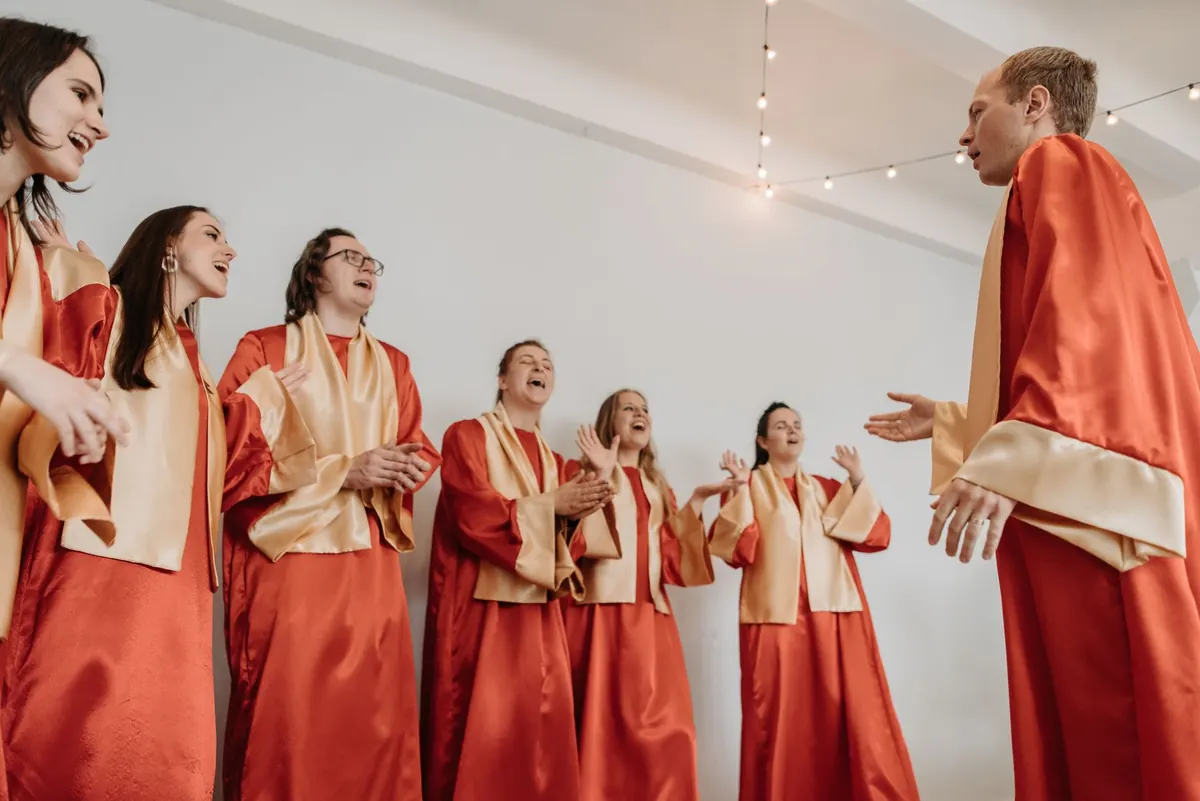
Evensong is the Anglican evening service of prayer, built around psalms, two Bible readings, and the two great New Testament canticles — the Magnificat and the Nunc Dimittis — sung by a choir. The choir might be a cathedral foundation of adults and children, a university chapel group, or a parish quartet doing its level best. The music can run from plainchant to Tallis, Stanford, Howells or something written in the last decade. You will also hear it called Choral Evensong, or Evening Prayer in Episcopal churches.
It is not a concert, though the standard is often concert-grade. It is not a Mass: there is usually no communion, and on most weekdays no sermon, though some cathedrals add a short address. You are not required to sing, kneel, cross yourself, or know a single response. Listening attentively is a full and legitimate way to take part.
Before You Go: Timing, Tickets, and Doors
- Check the time, and check whether it is sung. Weekday evensong is often around 5:00 or 5:30 p.m.; Sunday evensong often sits mid-afternoon. Cathedral websites list it under "services" or "worship", not under "visiting", which is why people miss it.
- Note where it is held. Some are sung in the quire, the enclosed choir area behind the screen; others in the nave. That changes where you sit and how close you get to the singing.
- Assume it is free, but expect exceptions. Ordinary evensong costs nothing. Christmas, Easter and festival services are frequently ticketed and fill up weeks ahead.
- Arrive twenty minutes early. Doors may close a few minutes before the start, and walking in during the first psalm is not a disaster but it is not enjoyable either.
One more practical note: historic stone buildings are cold in a way that surprises people in July, let alone January. A layer you can add without rustling is worth carrying.
Where to Sit
Think of two zones. The nave is open seating, further from the choir. The sound arrives softened and echoing, you have space around you, and you can slip out without disturbing anyone. If you are unsure, have small children, or simply want to observe, sit in the nave.
The quire or choir stalls put you within a few feet of the singing. You can watch the conductor's hand, hear individual voices, and see the pages turn. You also sit where an usher points, you cannot wander, and you are visible. If you would like to try it, tell a steward it is your first time and ask where they would put you. They do this every week and they are usually glad to help.
When to Stand, Sit, and Stay Silent
Orders of service vary between traditions, but the broad shape is remarkably consistent. If there is a printed booklet, take one — it will often mark the standing parts. If there is not, watch the congregation and follow a beat behind.
- The voluntary and procession. Organ music plays, then choir and clergy walk in. Stand if they pass you in the aisle; otherwise stay seated.
- Opening sentences and confession. Usually said, often seated or kneeling. Sitting is safe.
- The responses. Sung back and forth between clergy and choir. Sit and listen.
- The psalms. Seated. In some places the congregation joins; in most it is the choir's work.
- First reading, Old Testament. Sit.
- Magnificat. Stand. This is the moment the service lifts.
- Second reading, New Testament. Sit.
- Nunc Dimittis. Stand again.
- Creed, prayers, anthem. Stand for the creed and the lesser litany, then sit for the anthem.
- Hymn and blessing. Stand for both.
- Procession out. Remain standing until the choir has passed, then sit for the closing organ voluntary.
Silence is not the absence of participation in evensong. Half the time, it is the participation.
Small Courtesies That Make a Difference
- Silence your phone before you sit — silent, not vibrate. A buzzing pocket in a stone building carries.
- No photography during the service. Many cathedrals permit pictures in the nave outside service times; during worship, put the camera away. If you want a record, photograph the building later.
- Do not applaud the anthem, however spectacular it was. The silence afterwards is the compliment.
- Dress sensibly rather than formally. There is no dress code, but hats off indoors, and avoid bags and coats that need unzipping after you have settled.
- Children are welcome. Sit near a door and leave quietly if it becomes a struggle. A calm exit is far kinder to everyone than a tense stay.
- If you must leave early, do it between items, not mid-phrase, and walk slowly. Nobody will mind.
After the Last Amen
The organ voluntary that follows the blessing is part of the service, not the soundtrack to leaving. Stay if you enjoy it — some of the finest playing happens when half the congregation has gone. If you need to go, leave during a pause between pieces rather than in the middle of one. Stewards often wait at the door with a retiring collection; cash is welcome, and many places now take cards. Otherwise, the cloister, the shop and the tea queue are all fair game, and talking is entirely acceptable once you are outside the worship space.
A First-Timer's Checklist
Look up the time and whether it is sung. Arrive twenty minutes early. Sit in the nave if you are unsure, and ask a steward if you would rather be in the stalls. Take the booklet and follow the standing marks. Phone silent, camera away, no applause. Stand when the congregation stands; otherwise sit and listen. Stay through the voluntary, or slip out quietly between pieces. And remember that you need to know nothing in advance — the whole point of evensong is that it is done for you, not by you.
Photo: Pavel Danilyuk / Pexels
Related posts
More stories you’ll love reading